Step 1
Know Your Tone™
Figure out where your skin sits on the spectrum from cool to warm. This is your undertone and it's the key to discovering your best shades.
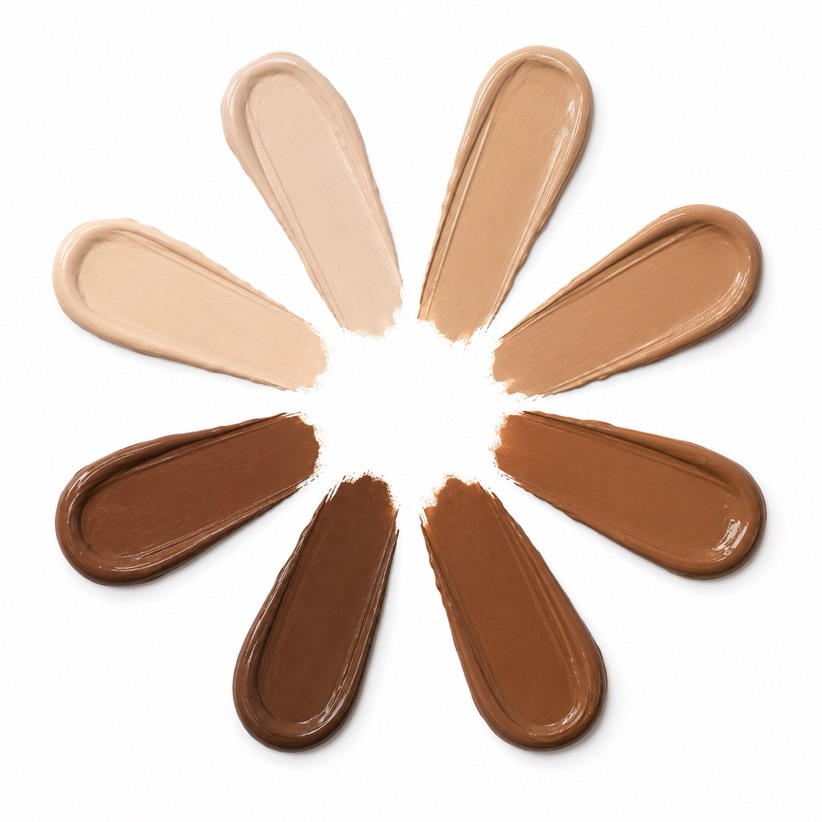
Guided self-check
Where do you lean?
Five quick questions. Not sure what to look for yet? The guided walkthrough just below teaches you — you can come back to this any time. There are no wrong answers, and "a mix" is a real result. You'll end up with a hypothesis to test, not a label to take as gospel.
This quick check needs JavaScript. You can also work through the steps on this page instead.
Your hypothesis
Shades in your likely range
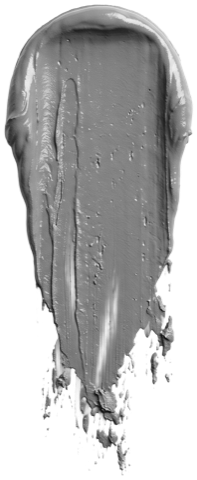
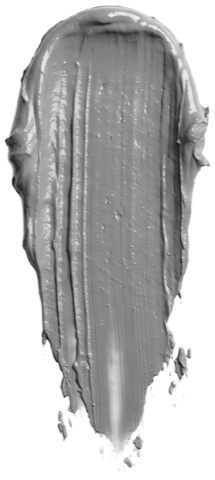
Shades in your likely range
Shades in your likely range
The walkthrough
Let's talk color temperature
In The ToneMatch Method, undertone refers solely to color temperature — where a color lands on the spectrum from cool to warm.
You can , but to keep things simple, to determine your skin's undertone you only need to look for the presence of orange.
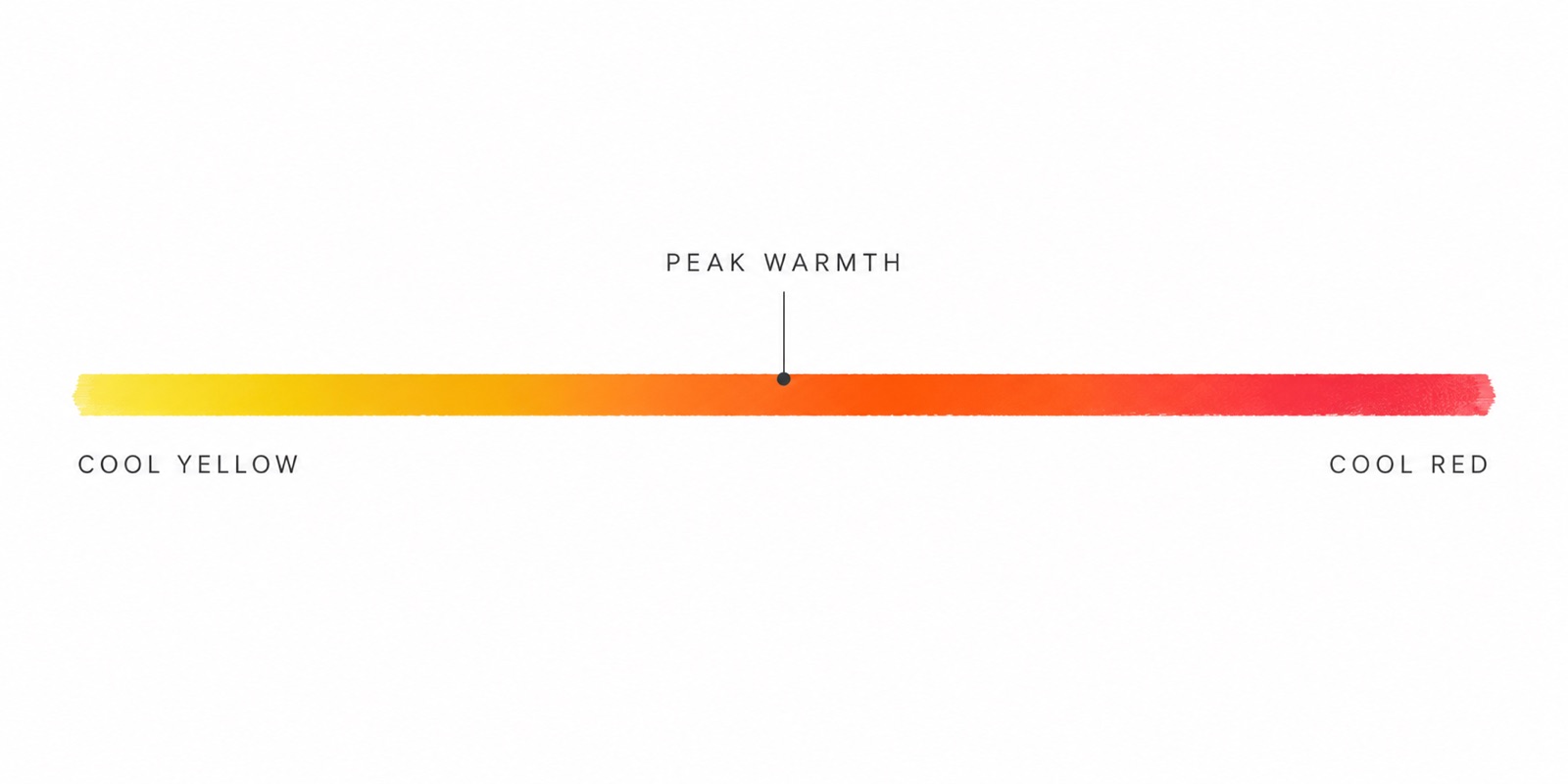
Strongly visible orange pigment signifies warmth in the skin and the absence of any orange pigment signifies coolness in skin. People who have some orange mixed into their skin tone will lean more neutral.
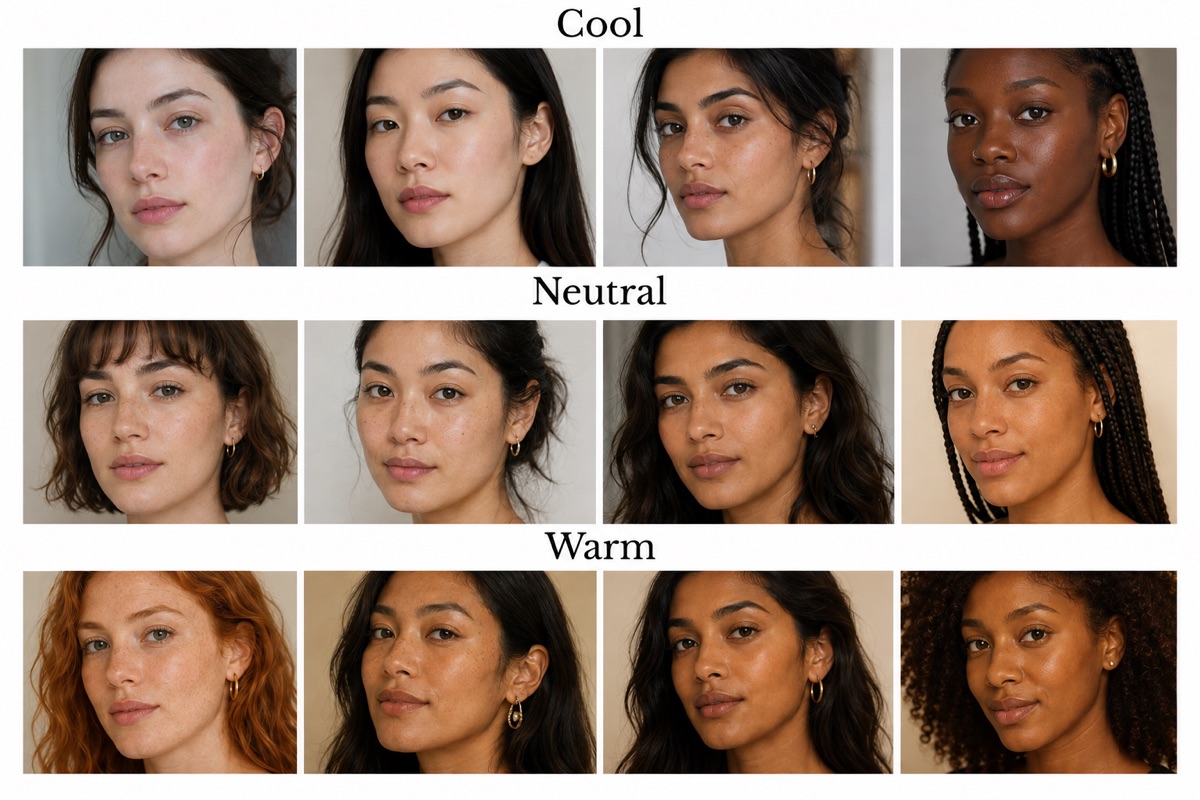
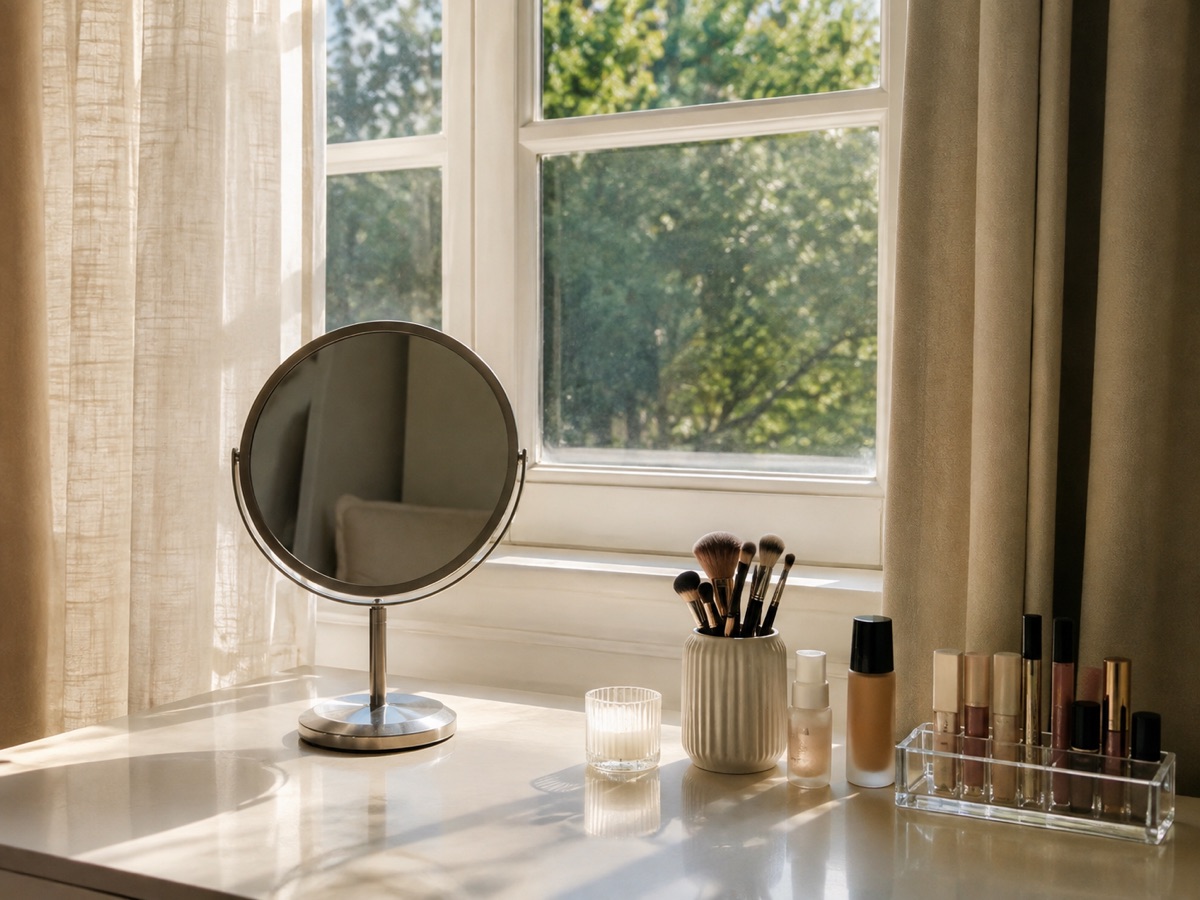
Grab a mirror and analyze your skin
For color accuracy, it's best to grab a mirror and sit next to a window that has good natural light coming in. Ensure that your skin is makeup and self-tanner free.
Ignore any areas of surface discoloration (like surface redness, dark spots, etc). In the rest of your skin, look for the level of orangey-ness coming through. Very pale or very deep skin tones may make this less easy to see, so assess to the best of your ability and then move on to the next step.
Compare to confirm
Look back and forth between the mirror and the examples of each undertone category displayed here. Where does it most look like you fit in? That's your undertone.
-
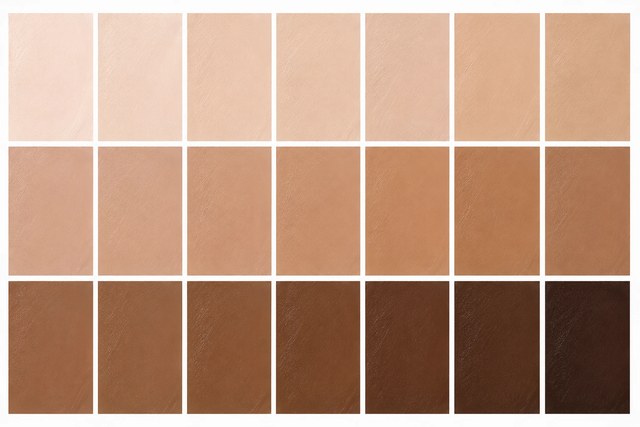
Cool
-
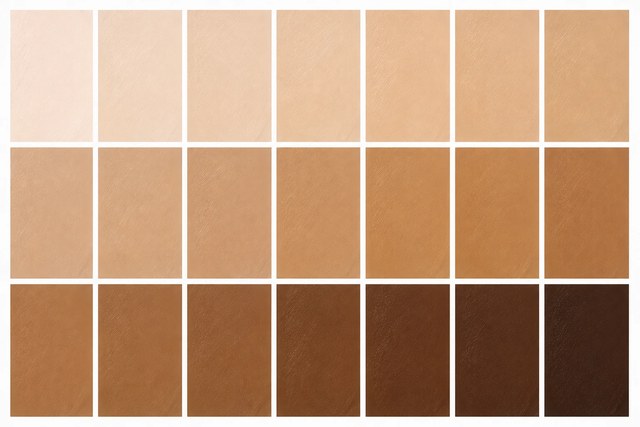
-
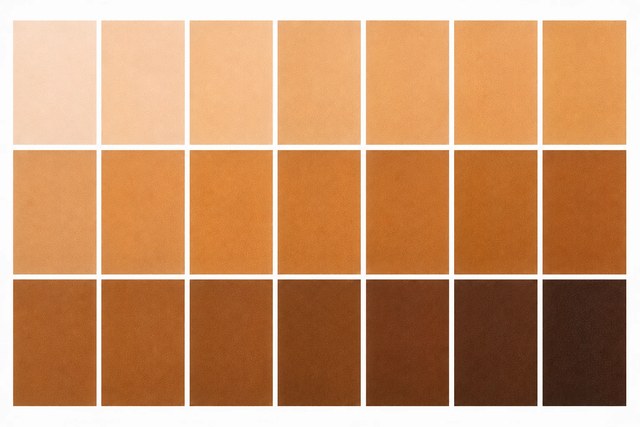
Warm
-
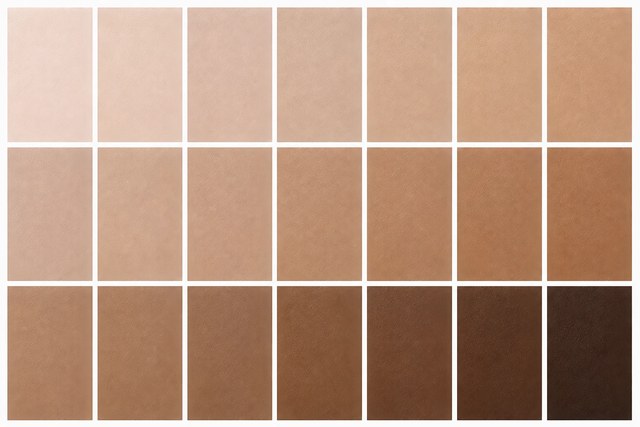
Cool Neutral
-
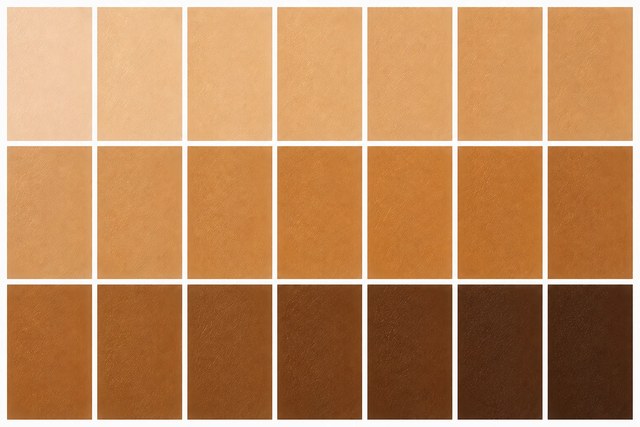
Warm Neutral
Keep in mind you may be between two categories. Melissa herself is cool neutral, and warm neutral exists as well.
Test out Your Tone
Feeling unsure about your analysis is totally normal. Now that you have a 'hypothesis' about your tone, you will be able to confirm it as you move through Steps 2 & 3 of The ToneMatch Method.
If you thought you were cool toned and start to realize that cool shades don't look right on you, that can help you reverse-engineer Your Tone. Maybe you're more neutral (or actually warm!). Comparison is your best friend. Testing out shades will give you the data you need to feel more confident over time.
Ready for what's next?