Step 2
Decode The Shade™
Now the shade side. Every product color will lean cool, neutral, or warm. Learn to spot the lean so you can read every shade you come across.
How to decode the shade
Let's talk color temperature
Just like skin tone, every makeup product has an overall color (red, pink, brown, purple, etc.) and that color will lean towards a cool, neutral, or warm undertone.
Since many makeup products come in a much wider range of colors than skin, you are no longer just looking for orangey warmth. You are also looking for blue coolness.
- A red lipstick leaning toward blue or pink → cooler. Leaning toward orange or coral → warmer.
- A pink leaning toward lilac/berry → cooler. Leaning toward peach/coral → warmer.
- A brown leaning toward mauve/plum → cooler. Leaning toward caramel/orange → warmer.
You can or move on to the next step.
Spot the lean through comparison
For skin-toned products like foundation or concealer: look for either the presence or absence of orangey warmth, just as you did when determining your skin's undertone. Orange = warm. No orange = cool.
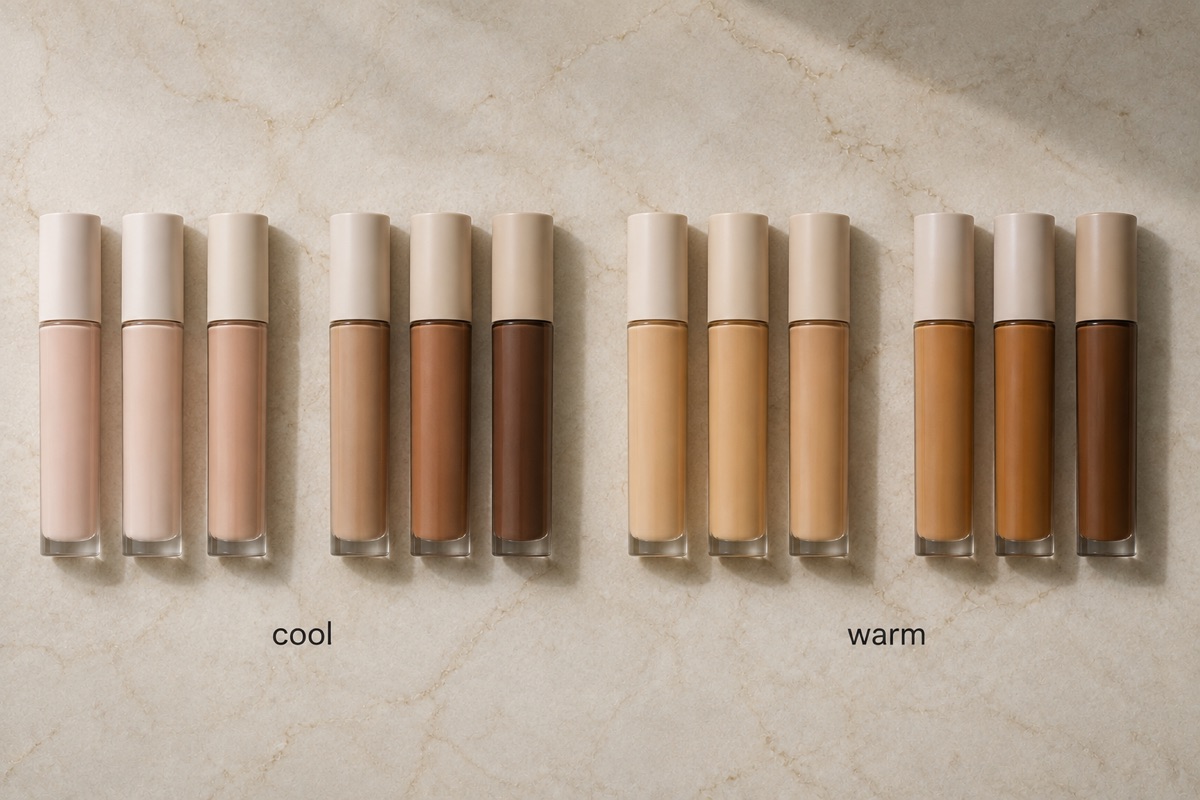
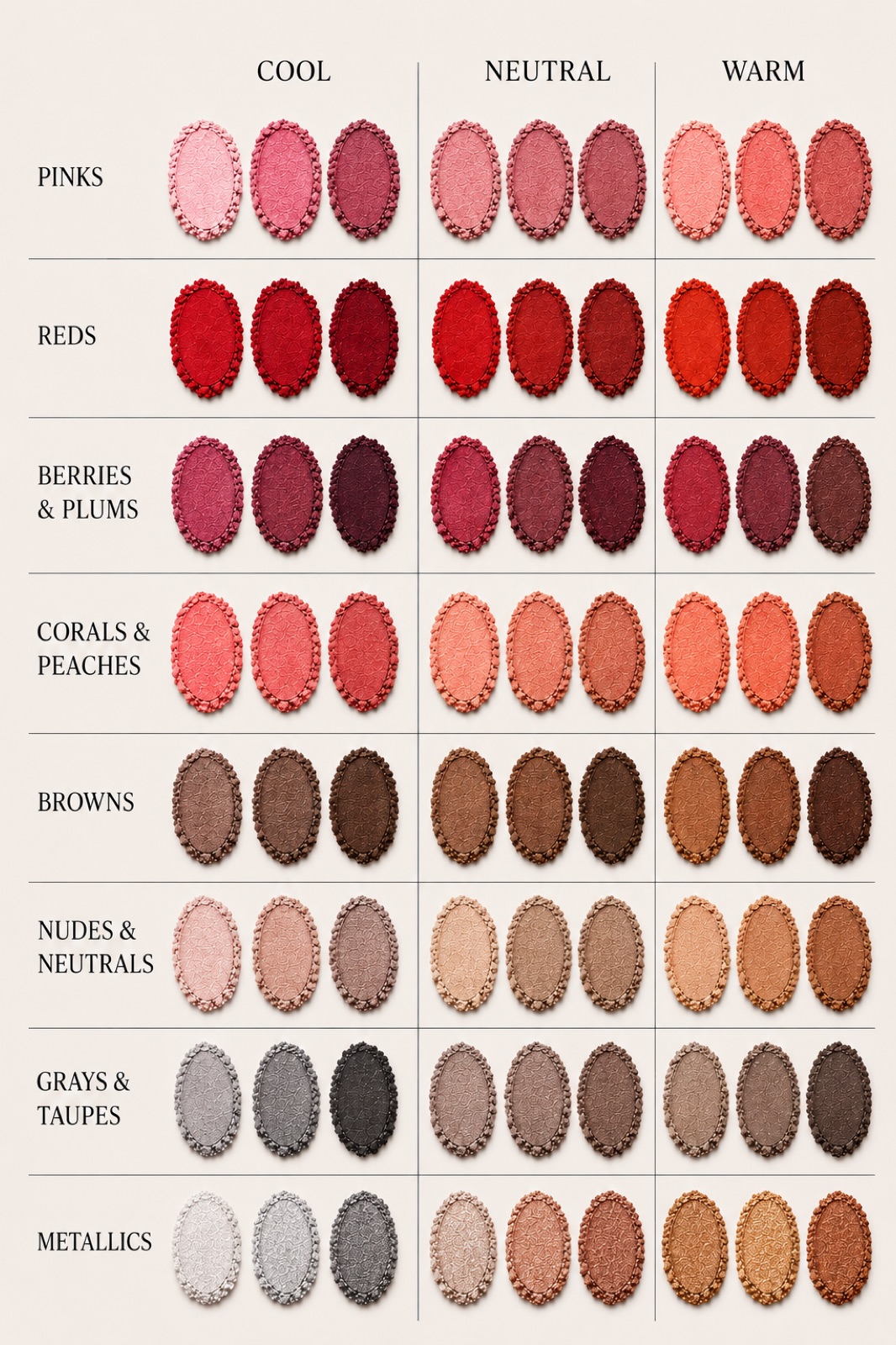
For non skin-toned products: look for the presence of orange (warmth) OR blue (coolness).
Comparison is your best friend. Until you have enough experience to spot the lean automatically, use the color comparison charts below to compare your potential products with.
Helpful hint #1
Try Melissa's sheer-out trick
A shade at full strength sometimes hides its undertone. Swatch it, then sheer it out with your finger. As the color thins, the undertone beneath rises to the surface.
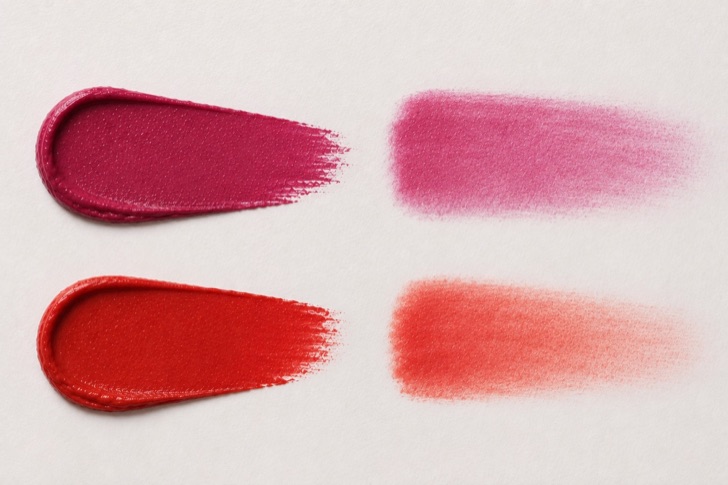
- Blue rises as it thins. That shade is cool.
- Orange rises as it thins. That shade is warm.
Helpful hint #2
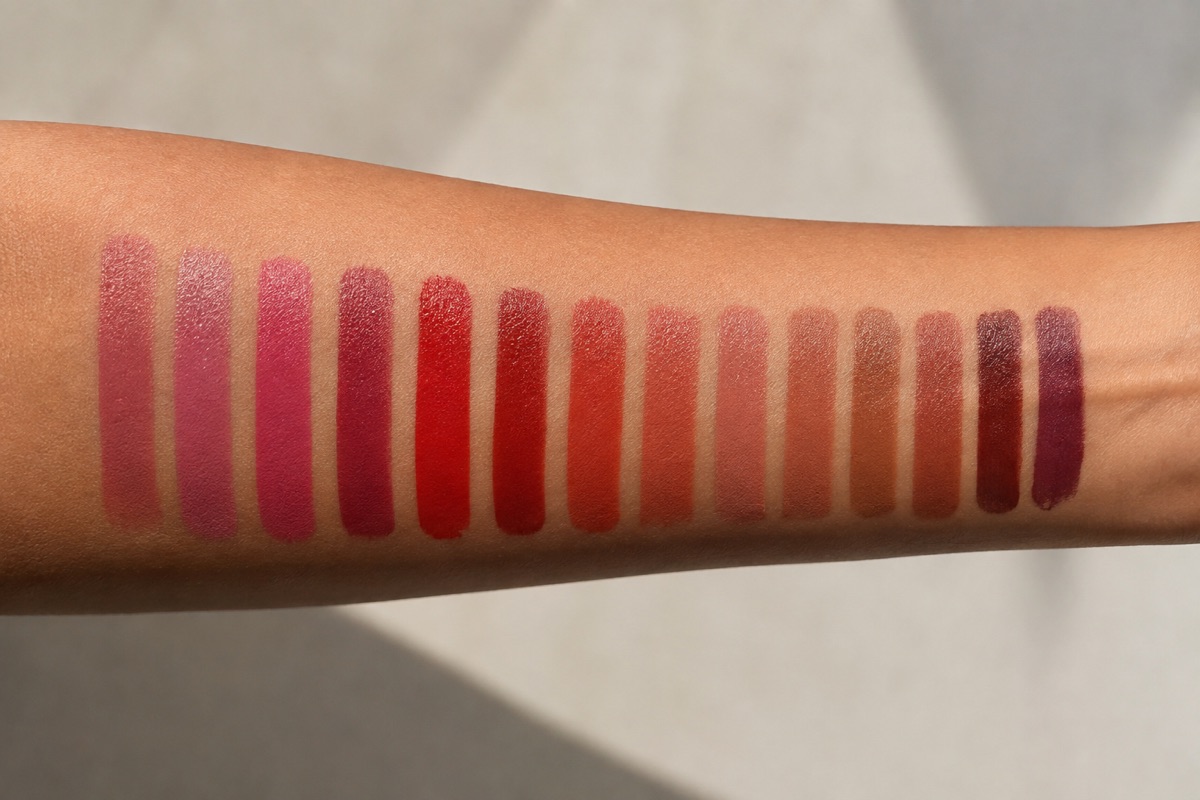
Compare shades side by side
The undertone of any shade becomes far more obvious when you place another shade beside it. Whether looking at digital swatches or testing product in person, try comparing several at a time, right next to one another.
Ready for what's next?